The History of Facials: Origins, Purpose, and Evolution Over Time
Welcome to my Skin & Scalp Atelier™ blog—this is my first post.
Let’s begin at the very start: the history of facials and how they evolved from ancient rituals into modern skincare treatments.
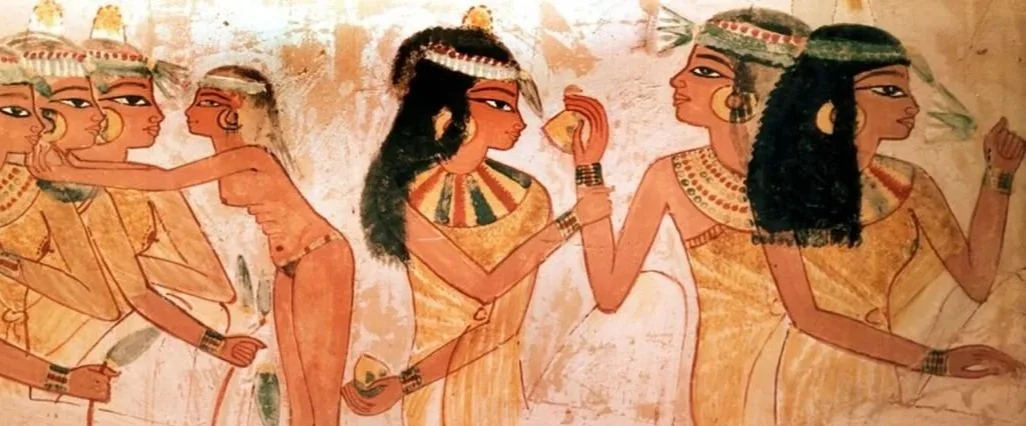
Facials are one of the most well-known skincare treatments today, yet their origins reach far beyond modern spas and cosmetic clinics. From ancient civilizations to contemporary luxury skincare, facials have continuously evolved while preserving their original purpose: to care for, restore, and balance the skin and the body.
Understanding the history of facials helps explain why they remain such a powerful and enduring practice in skincare and wellness.
Where Were Facials Created?
The earliest facial treatments can be traced back to Ancient Egypt, where skincare was deeply connected to health, spirituality, and social identity. Egyptians used natural ingredients such as oils, honey, milk, and mineral-rich clays to cleanse, protect, and nourish the skin. Facial rituals were practiced by both men and women and were considered essential for physical preservation and spiritual balance.
In Ancient China, facial massage developed alongside traditional medicine. Techniques focused on stimulating circulation, supporting lymphatic flow, and maintaining balance within the body. Facial care here was not cosmetic—it was preventative and therapeutic, designed to support long-term health and vitality.
Facials were also present in Ancient Greece and Ancient Rome, where beauty was closely linked to harmony and proportion. Herbal preparations, gentle exfoliation, and massage were used to promote healthy, youthful skin, reflecting the belief that outer appearance mirrored inner well-being.
What Was the Original Purpose of Facials?
Historically, facials served several essential purposes that remain relevant today:
Skin protection from environmental exposure using natural oils and plant-based ingredients
Healing and circulation support through massage and touch
Balance and ritual, offering moments of restoration and self-respect
Rather than quick treatments, facials were intentional rituals—often passed down through generations as part of cultural tradition.
How Facials Developed Over Time
During the 19th and early 20th centuries, facials transitioned from home-based rituals into professional beauty salons, particularly in Europe. This period marked the beginning of structured facial treatments and the foundation of modern esthetics.
By the mid-20th century, scientific advancements transformed facials into more targeted skincare treatments. Chemical exfoliation, electrical devices, and ingredient-focused formulations emerged, shifting facials toward results-driven approaches addressing acne, aging, and pigmentation.
In recent years, facials have entered a new era—one that blends advanced skincare science with traditional techniques. Modern facials now combine technology with manual massage, holistic philosophies, and personalized care plans.
Facials Today: Modern Skincare Meets Ancient Ritual
Today’s facials are no longer just about improving the appearance of the skin. They are increasingly recognized as holistic experiences that support the nervous system, reduce stress, and enhance overall well-being.
This return to ritual reflects the original purpose of facials: to restore balance, encourage healing, and create meaningful moments of care in a fast-paced world.
Why Facials Remain Essential in Skincare
From ancient Egypt to modern ateliers, facials have endured because they address more than surface-level beauty. They represent a timeless connection between touch, tradition, and transformation—one that continues to evolve while honoring its origins.